

Home . Health Insurance Help . Immigrant Help . Health Options


Health Options for Immigrants
Starting in January 2027, eligibility for adults with limited immigrant statuses will change for Medicaid, Medicare, or financial help on HealthCare.gov.
You can use this page to explore different health insurance options, find programs that help cover medical costs, learn about free or low‑cost clinics for care, and learn practical steps to take if they’re unable to pay a medical bill.
Have questions or need help finding out what you qualify for?
Schedule a free appointment with a Navigator.

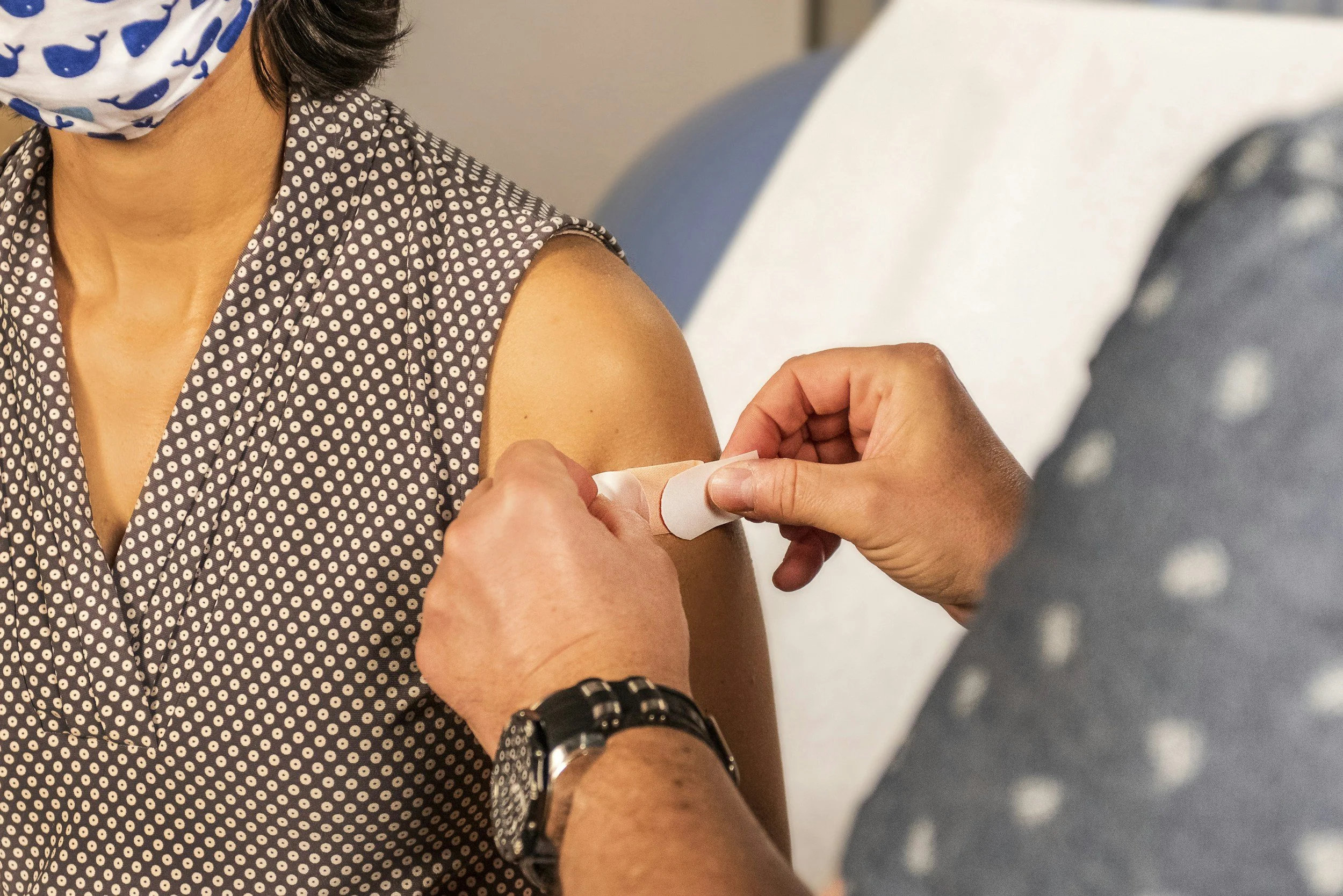
Options for health insurance:
It is common for children and adults to be on different plans. Some of these programs have special rules for immigrants and an expert can help you understand your options.
If you’re having trouble paying your medical bills, learn your options on our help page.
-
Many immigrants who are legally present can get health insurance from their job.
If your health insurance isn’t affordable, you may be able to get financial help from Healthcare.gov to get a more affordable plan. It is best to work with an expert to see if your plan is affordable.
When can I apply? November 1-December 15
-
This is State of Wisconsin Medicaid for people with low income. New applicants and current members of BadgerCare Plus (Medicaid) are subject to the federal immigrant eligibility rules that took effect October 1, 2026.
You can qualify for BadgerCare Plus (Medicaid) if you are:
Citizens and nationals of the United States
Lawful permanent residents (also known as green card holders)
Cuban-Haitian entrants
People from the Federated States of Micronesia, Republic of the Marshall Islands, or Republic of Palau who live and work in the United States under Compacts of Free Association (COFA), often referred to as “COFA migrants.
If you are pregnant and you do not qualify for BadgerCare Plus because you are in prison or jail or because of your immigration status, apply for the BadgerCare Plus Prenatal Plan. You don’t need a Social Security Number to apply.
BadgerCare Plus Prenatal Plan is full healthcare coverage during your pregnancy and covers labor and delivery. You are covered until the end of your pregnancy.
Click here to learn more about BadgerCare Plus Prenatal Plan
Children (under age 19 or age 21 in an institution) and pregnant people with these statuses will continue to be eligible for Medicaid programs:
Citizens and nationals of the United States
Lawful permanent residents
Cuban-Haitian entrants
COFA migrants
Refugees
Asylees
Parolees
Conditional Entrants
Battered non-citizens
Trafficking victims and certain family members
Deportation (or removal) withheld
Amerasian
Foreign-born tribal members
To see income requirements, Click Here.
-
You can shop for and enroll in health insurance on The Federal Health Insurance Marketplace. You may be eligible for financial help that lowers the cost of your monthly premium.
This financial help from Healthcare.gov is called tax credits and is not a public benefit. Using tax credits will not hurt anyone’s immigration status. Sponsors of immigrants don’t need to pay back tax credits.
Tourists, and those who are undocumented don’t qualify for plans on Healthcare.gov
Starting January 2027 - You can qualify for HealthCare.gov with financial help if you have income above 100% of the federal poverty limit and are:
Citizens and nationals of the United States
Lawful permanent residents (also known as green card holders)
Cuban-Haitian entrants
People from the Federated States of Micronesia, Republic of the Marshall Islands, or Republic of Palau who live and work in the United States under Compacts of Free Association (COFA), often referred to as “COFA migrants.
Click here to view current federal poverty level amounts.
When can I sign up?
November 1 - January 15
When you lose other coverage
Your immigration status changes
-
Legally present immigrants may be eligible for Medicare. However, if they must pay for Medicare part A, they can also apply for health insurance on Healthcare.gov.
People who become newly eligible for Medicare on or after July 4, 2025 must be citizens, green card holders, Cuban/Haitian entrants, or COFA migrants to enroll. Current Medicare enrollees who are not in one of these four categories will have their coverage terminated on January 4, 2027. If you have had a change in your immigration status, update your information with the Social Security Administration.
Starting January 2027 you can qualify for Medicare if you are:
Citizens and nationals of the United States
Lawful permanent residents (also known as green card holders)
Cuban-Haitian entrants
People from the Federated States of Micronesia, Republic of the Marshall Islands, or Republic of Palau who live and work in the United States under Compacts of Free Association (COFA), often referred to as “COFA migrants.
It is best to work with an expert since this process can be tricky. To learn more about Medicare and where to get help signing up, click here.
-
Programs DACA recipients can apply for or use to get care:
Health insurance from a job
Sliding scale discounts at Community Health Centers
Free clinics
Prenatal Care Program
Emergency Services
Charity care programs
Direct Primary Care Clinics
-
The Wisconsin Well Woman Program helps women who have little or no health insurance get screening for breast and cervical cancers.
-
This is a program for anyone who is pregnant regardless of immigration status. It will pay for any care of the person while pregnant. The pregnant person can receive ongoing coverage for 60 days after the pregnancy ends through Emergency Services Medicaid.
Children born in the US can then apply for BadgerCare Plus.
-
After your pregnancy: If you have a medical emergency within 60 days of the end of your pregnancy, you can get Badger Care Plus Emergency Services Medicaid coverage.
Badger Care Plus Emergency Services Medicaid:
Covers all services needed to treat the medical emergency
The benefits start the first day you get medical care for the emergency
The benefits end when your condition is no longer a medical emergency
-
Direct Primary Care Clinics are a new type of clinic. Direct Primary Care Clinics charge patients a monthly, quarterly, or annual fee. This fee covers all or most primary care services, including clinical and laboratory services.
Some patients also enroll in an insurance plan to cover emergencies and other services not covered by Direct Primary Care. These clinics are becoming more popular but may not be in your area.
-
There are financial assistance programs available through clinics and hospitals called Charity Care. If you see a doctor without health insurance, you may get a big medical bill. If you can’t afford your medical bill, talk to the clinic or hospital billing department and ask how to apply for Charity Care (financial assistance).
If you qualify, then a discount is applied to your medical bill and lowers how much you must pay. The discount is usually good for the next six to twelve months.
Most medical providers can also help you set up a payment plan for your medical bills. It is best to apply for Charity Care (financial assistance) first. You can also ask for a payment plan and to pay the medical bill over time.
-
Community health centers have financial help to lower the bill. They offer discounts based on income to anyone regardless of immigration status or type of insurance.
Free clinics often serve anyone in the community who needs care. However, they may have fewer doctors and may not serve people who have health insurance.